Credit card debt is climbing to record highs in the U.S., and one reason is simple: millions of Americans only pay the minimum balance each month. While it might seem like an easy way to stay current, this strategy can be financially devastating in the long run.
Why Minimum Payments Exist
Credit card issuers set a small minimum payment (often 1–3% of your balance) to keep your account “active” and reduce default risk. But behind the scenes, it’s a clever way to maximize how much interest you pay over time.
Example: The Debt Trap
Let’s say you owe $3,000 at a 20% APR. If you only pay the $75 minimum:
- It could take over 10 years to pay it off.
- You’ll end up paying more than $3,500 just in interest — more than your original balance!
This is why minimum payments are often called the credit card trap.
How It Affects Your Financial Health
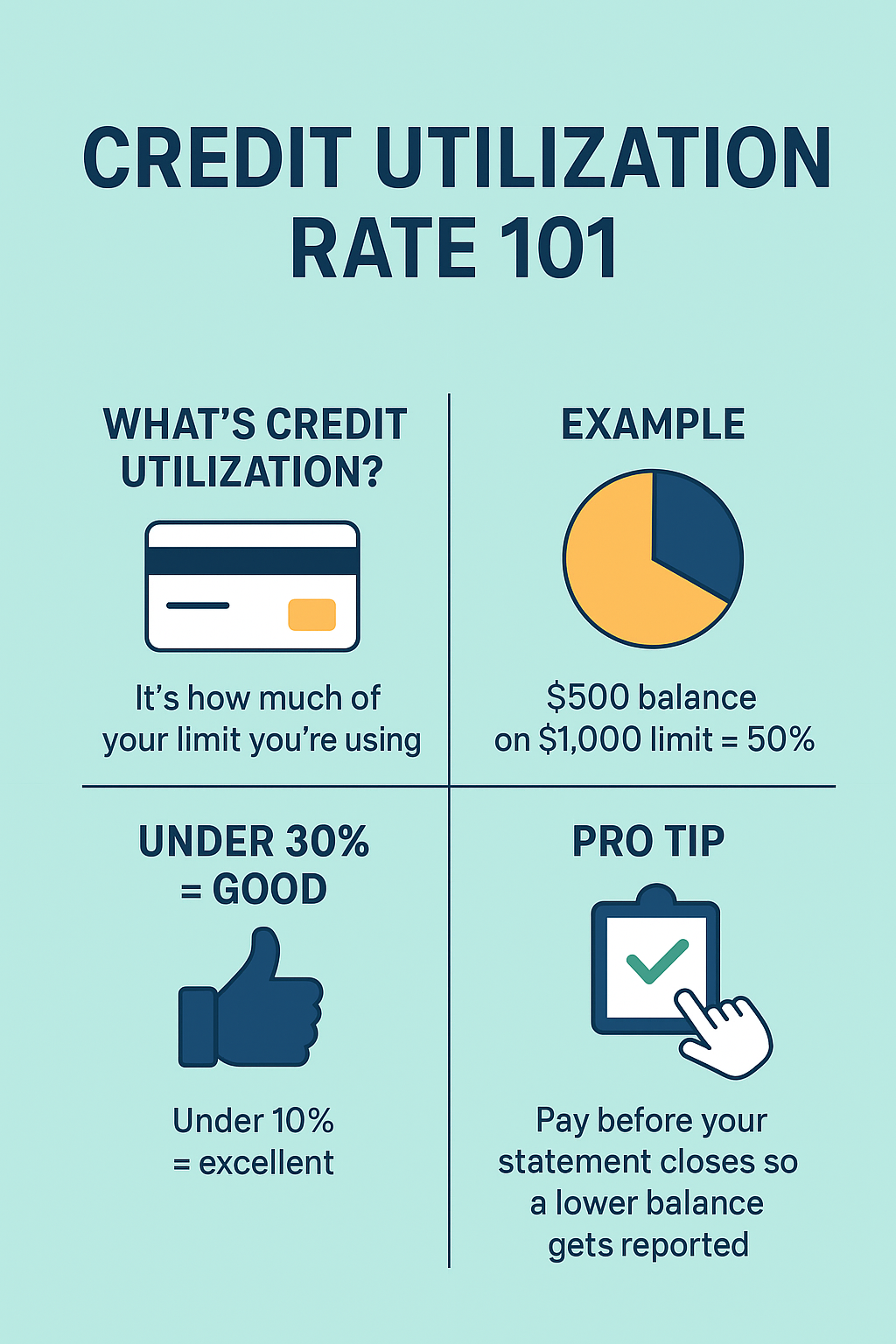
- Keeps Your Utilization High: High balances lower your credit score.
- Kills Your Savings: More of your income goes to interest, not progress.
- Delays Your Goals: Money you could invest or save gets wasted on fees.
Smarter Alternatives
- Pay more than the minimum: Even an extra $50/month cuts years off your debt.
- Use the avalanche method: Pay off the highest interest card first.
- Consider a balance transfer: If you qualify, a 0% APR intro offer buys you time to pay faster.
- Automate extra payments: Set up autopay for more than the minimum to build momentum.
Final Thoughts
Paying only the minimum is like treading water while your debt grows around you. The best way forward is to break free by paying as much as you can each month. Even small extra payments add up — and your future self will thank you.