💳 Credit Score Confused? Let’s Clear It Up.
Your credit score isn’t just a number—it’s a financial key that can unlock better rates, better housing, and better opportunities.
But what’s considered a good score? And how can you improve yours quickly?
🔢 What Is a Good Credit Score?
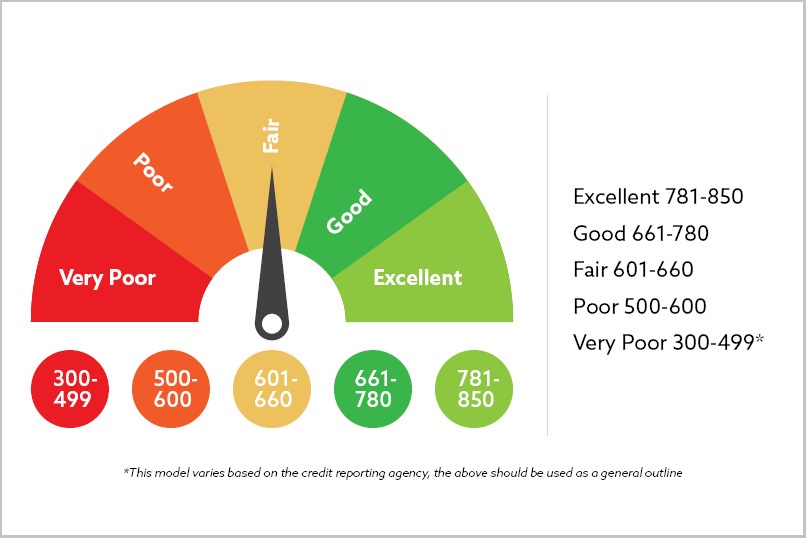
Credit scores usually fall in this range:
- 300–579: Poor
- 580–669: Fair
- 670–739: Good
- 740–799: Very Good
- 800–850: Excellent
Most lenders consider 670 and above a green light. But once you hit 740 or higher, you’ll qualify for the best interest rates and terms.
⚡ How to Improve Your Credit Score Quickly
Here are some high-impact actions you can take:
✅ 1. Pay Your Bills on Time
Payment history makes up 35% of your credit score. Even one late payment can do damage. Set reminders or enable autopay.
✅ 2. Lower Your Credit Utilization
Keep your credit card balances below 30% of your total credit limit.
Pro tip: If you can bring it below 10%, that’s even better.
✅ 3. Ask for a Credit Limit Increase
This boosts your available credit and lowers your utilization ratio—without spending more.
✅ 4. Don’t Close Old Accounts
Credit history length matters. Keep old cards open (especially those with no annual fees).
✅ 5. Dispute Errors on Your Credit Report
Check your credit report regularly. If you spot inaccuracies, file a dispute—it could give your score a fast lift.
📉 What NOT to Do
- Don’t apply for multiple new cards at once (too many hard inquiries)
- Don’t max out your credit cards
- Don’t ignore small balances—they still count
🏁 Final Thought
Improving your credit score takes consistency, but results can happen faster than you think—especially if you’re focused and informed.
Start with one positive action today. The sooner you start, the sooner you qualify for everything you want—on your terms.