When your credit card bill arrives, you usually see two numbers: the minimum payment and the statement balance. If you’re short on cash, it’s tempting to pay the minimum and move on.
But here’s the truth: that “minimum” is a trap—and the long-term cost can be massive.
Let’s break down what each one means and why full payments are the smart move.
🧾 What’s the Minimum Payment?
The minimum payment is the smallest amount you can pay to keep your account in good standing. It’s usually around:
- 1%–3% of your total balance
- Or a flat $25–$35 (whichever is higher)
It helps you avoid late fees and protect your credit score—but it doesn’t get you out of debt.
✅ What’s the Full (Statement) Payment?
The full payment is the entire amount you owe for that billing cycle. Paying it in full by the due date:
- Avoids interest completely
- Resets your grace period
- Keeps you from falling into long-term debt
🧮 Real Example: $1,000 Balance at 20% APR
- Minimum payment: ~$25/month
- Time to pay off: Over 5 years
- Total interest paid: $600+
- Total paid: Around $1,600
Now compare that to:
- Full payment: $1,000 today
- Total interest: $0
- Total paid: $1,000
- Debt-free in one month
❗What Happens If You Only Pay the Minimum?
- Interest is charged daily on the unpaid balance
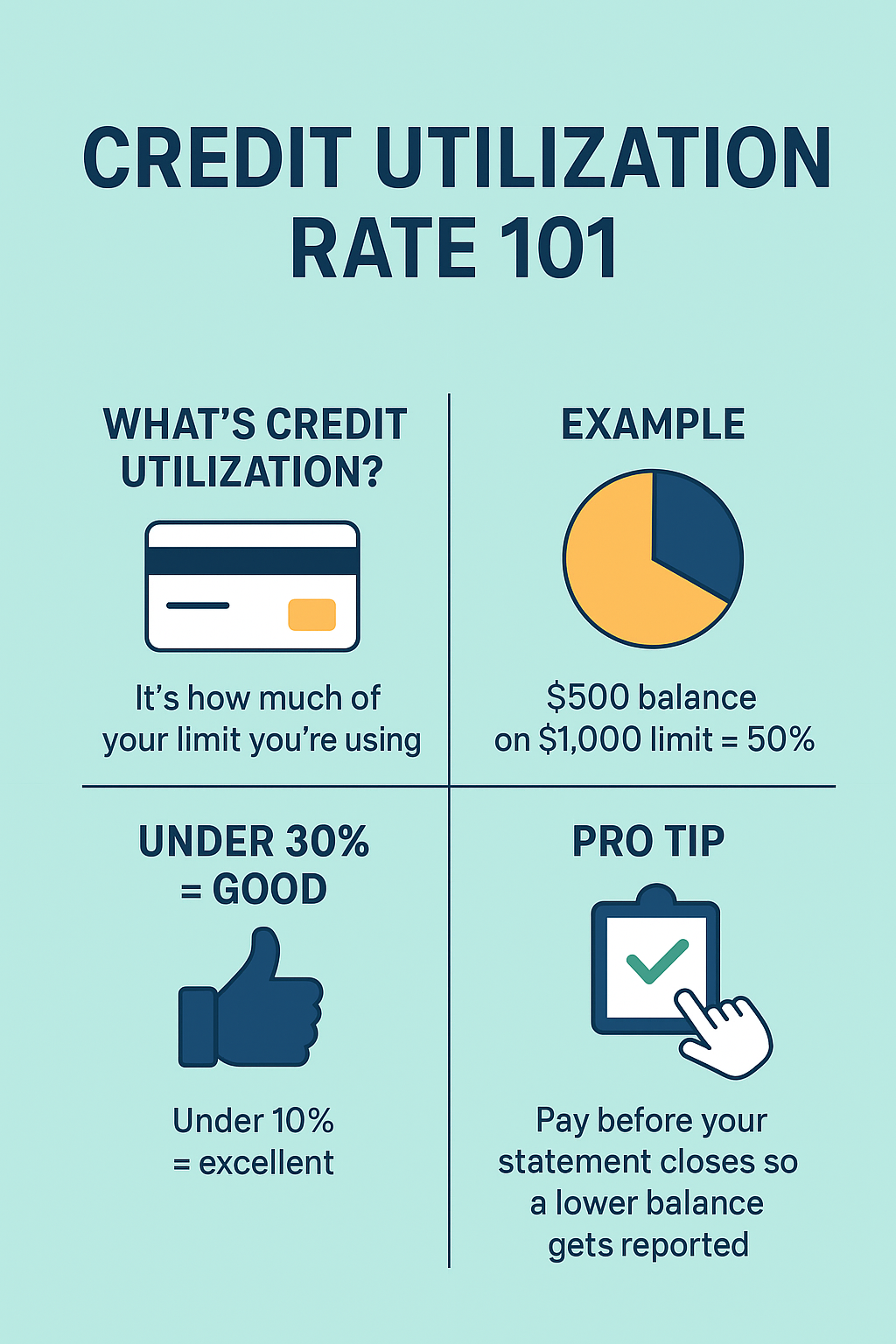
- Your credit utilization stays high
- You stay in debt for years
- You pay way more than you borrowed
🔁 If You Can’t Pay in Full, Do This:
- Pay more than the minimum—even $50 extra makes a difference
- Stop using the card while you’re paying it down
- Set up auto-pay for at least the minimum, but aim higher
- Use the debt snowball or avalanche method to create a plan
🧠 Final Thought
Minimum payments are survival.
Full payments are freedom.
If you can’t pay in full yet, don’t stress—just make a plan to get there. Every extra dollar you put toward your balance brings you closer to financial peace of mind.