Mastering Your Finances: Proven Strategies for a Debt-Free Life.
Not all debts are created equal. Different debts carry different interest rates and terms. High-interest debts, such as credit card balances, should be tackled first.
Browsing Category
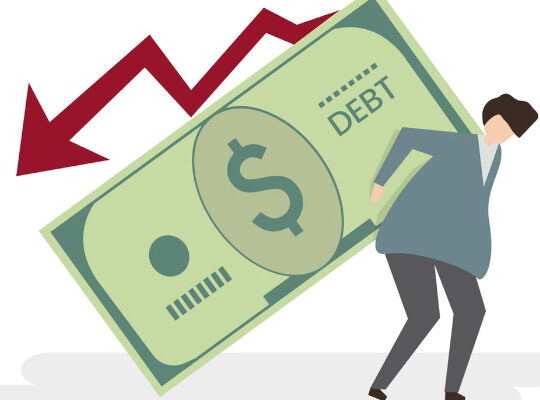
Not all debts are created equal. Different debts carry different interest rates and terms. High-interest debts, such as credit card balances, should be tackled first.

What is money management, exactly? It’s a plan for your money so you can make the most of it. This plan typically involves budgeting and saving money, avoiding or reducing debt and investing in your future. If learning how to manage your money sounds intimidating or stressful, take it one step at a time. Below …

If you have take-home pay of, say, $3,000 a month, how can you pay for housing, food, insurance, health care, debt repayment and fun without running out of money? That’s a lot to cover with a limited amount. The answer is to make a budget. What is a budget? A budget is a plan for every …

A budget is a monthly or annual plan that documents your income, tracks your expenses and leaves room for financial goals. What is a budget? A budget is a spending plan that outlines your income, expenses and other financial goals like savings and debt paydown. It’s an estimate of how much money you’ll make and …
What is an emergency fund? An emergency fund is a bank account with money set aside to pay for large, unexpected expenses, such as: Why do I need an emergency fund? Emergency funds create a financial buffer that can keep you afloat in a time of need without having to rely on credit cards or …
For most people, attaining financial health is a journey — one that lasts a lifetime. Very few people are lucky enough to have instant security from generational wealth or a massive lottery jackpot. Instead, the progression tends to look like this: Building foundations. This can describe when you’re getting started in the workplace, but it …

1. Spend less than you earn and track your expenses. 2. Save for emergencies by setting aside three months' of expenses. 3. Invest for the long term is assets such as stocks and bonds. 4. Pay off any high-interest debt. 5. Plan for retirement as early as possible. 6. Live below your means, just because …