Credit card debt in the U.S. is at record levels, topping $930 billion in 2022, with the average balance sitting at $5,805. With numbers like that, knowing when to pay your bill can make a huge difference.
Why Timing Matters
Your credit score is largely shaped by two things:
- Payment history (35%) – always pay on time.
- Credit utilization (30%) – how much of your available credit you’re using. Keeping this below 30% is ideal.
That’s why timing your payments can help protect your score and reduce interest charges.
The Three Dates You Should Know
- Statement Date – when your monthly charges are tallied.
- Due Date – when you must pay at least the minimum to avoid late fees.
- Reporting Date – when your balance is reported to the credit bureaus (this one isn’t listed on your bill).
Paying before the reporting date keeps your utilization low in the eyes of the credit bureaus, which can boost your score.
Pay Early, Save Interest
Interest is calculated on your average daily balance. Paying even part of your bill earlier in the cycle can reduce the balance that interest is based on—saving you money over time.
Auto Pay Is Your Ally
Setting up automatic payments helps ensure you never miss a due date. If possible, aim for full balance payments. If not, pay down as much as you can before the reporting date.
Takeaway
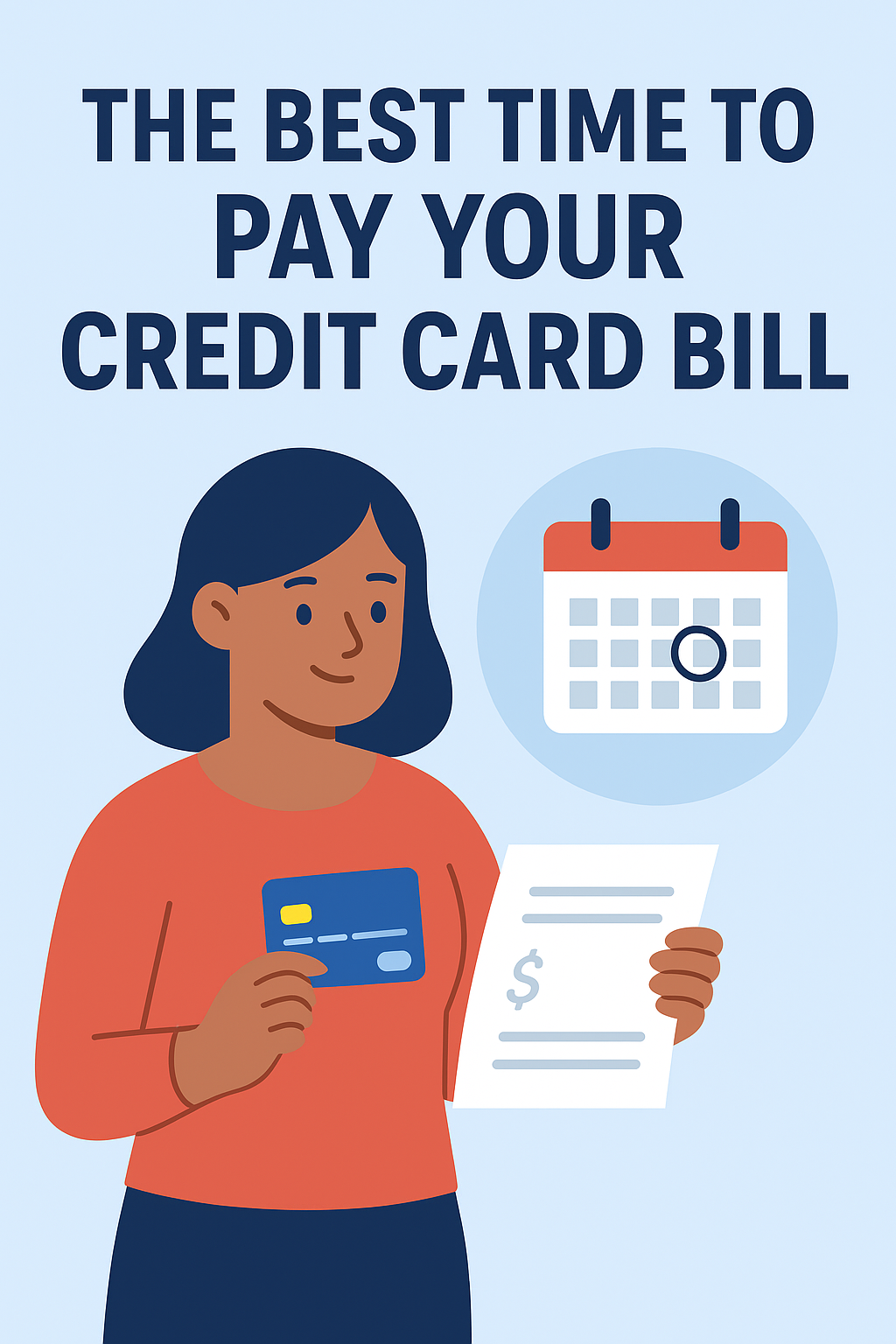
The best time to pay your credit card bill? Before the reporting date, and as early as possible. Doing so keeps your utilization low, your score healthy, and your interest payments minimal.
💡 Want more practical tips to master your money? Explore more at MoneyMentor.app.